
What Is Clean Beauty? Japan's Approach to Safe, Gentle Skincare
"Clean beauty" has become one of the most searched terms in skincare — but what does it actually mean? And how does Japan, one of the world's most sophisticated skincare markets, approach the concept?
What Is Clean Beauty?
Clean beauty refers to skincare and cosmetics formulated without ingredients considered harmful to human health or the environment. While there is no universal legal definition, clean beauty products are generally:
- Free from parabens, phthalates, and synthetic fragrances
- Not tested on animals
- Formulated with transparency about ingredients
- Mindful of environmental impact
The clean beauty movement has grown significantly in the UK, EU, Canada, and the US — driven by consumers who want to know exactly what they're putting on their skin.
Japan's Long History of Clean Formulation
Long before "clean beauty" became a global trend, Japan had its own standards for safe, gentle skincare — shaped by a culture that values precision, craftsmanship, and respect for the body.
Japanese cosmetics manufacturers are known for:
Rigorous testing standards Japan has some of the strictest cosmetic regulations in the world. Ingredients must be thoroughly tested for safety before being approved for use.
Sensitive skin as the benchmark Many Japanese skincare brands formulate for sensitive skin as the default — not as a niche. If a product is gentle enough for sensitive skin, it's considered good for everyone.
Minimal ingredient lists Japanese formulation philosophy tends to favor fewer, higher-quality ingredients over long lists of additives.
What WALALA Avoids
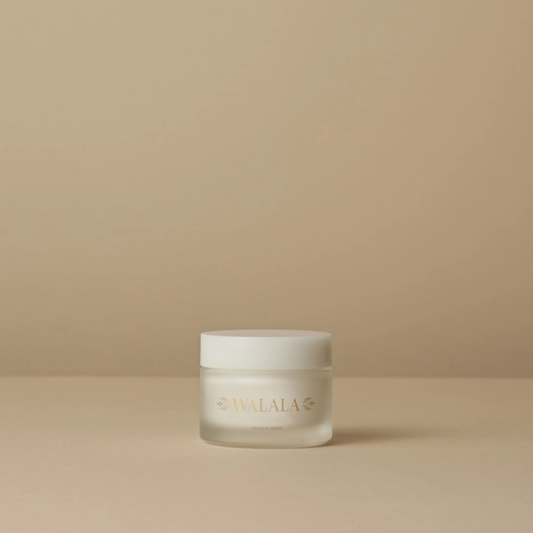
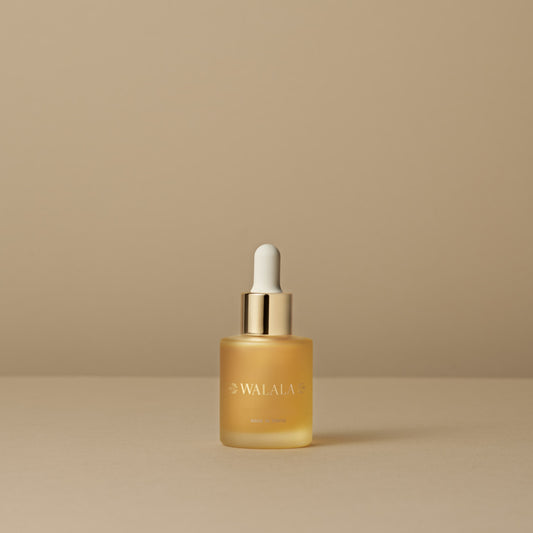
At WALALA, clean beauty isn't a marketing term — it's a formulation commitment. Our products are free from:
- Parabens — commonly used preservatives linked to hormone disruption
- Phthalates — plasticizers found in some fragrances
- Oxybenzone — a chemical sunscreen filter with environmental concerns
- Synthetic fragrances — a common cause of skin irritation
- Animal testing — we never test on animals
Instead, WALALA uses ingredients like Squalane, Prickly Pear Oil, Baobab Oil, and Ceramide — all chosen for their safety, efficacy, and gentleness.
Clean Beauty and Japanese Wellness
In Japan, skincare is part of a broader approach to wellness — the idea that what you put on your body matters as much as what you put in it. This philosophy aligns naturally with the global clean beauty movement.
The Japanese concept of karada ni yasashii (体に優しい) — "gentle on the body" — captures it well. Skincare should support your body, not burden it.
How to Build a Clean Beauty Routine
Starting a clean beauty routine doesn't mean throwing everything out. A few simple steps:
- Read ingredient labels — look for the top five ingredients first
- Swap one product at a time — start with what stays on your skin longest (moisturizer, serum)
- Choose fragrance-free or naturally-scented — synthetic fragrance is one of the most common irritants
- Look for transparency — brands that list every ingredient and explain their choices
Clean Beauty, Made in Tokyo
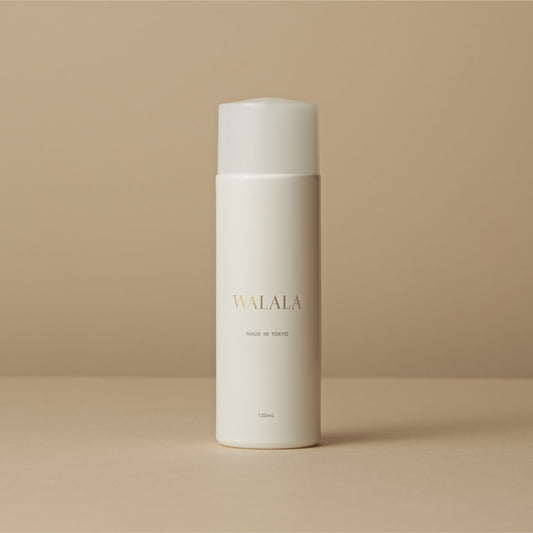
WALALA was created at the intersection of Japanese craftsmanship and global wellness culture. Every product is made in Tokyo, formulated with clean ingredients, and designed for sensitive skin.
Because we believe skincare should be something you trust completely — on your skin, and in your life.