
Yuzu in Skincare — Benefits, Uses, and Why Japan Loves It
If you've ever held a yuzu in your hands, you understand immediately why it's special. The fragrance alone — bright, floral, and unmistakably Japanese — is unlike anything else in the citrus world. But yuzu isn't just a culinary treasure. In skincare, it's one of Japan's best-kept secrets.
What Is Yuzu?
Yuzu (Citrus junos) is a citrus fruit native to East Asia, cultivated primarily in Japan, Korea, and China. About the size of a tangerine, it has a thick, bumpy skin and a complex fragrance that combines the brightness of lemon with the warmth of grapefruit and a floral, almost honeyed undertone.
In Japan, yuzu has been used for centuries — in cooking, in traditional medicine, and in bathing rituals. The yuzu-yu (柚子湯) tradition of bathing with whole yuzu fruits on the winter solstice (toji) dates back hundreds of years, believed to ward off cold and nourish the skin.
Yuzu in Skincare: The Benefits
Rich in Vitamin C Yuzu contains significantly more Vitamin C than lemon. Vitamin C is one of the most well-researched ingredients in skincare — it brightens, evens skin tone, and supports collagen production.
Antioxidant protection Beyond Vitamin C, yuzu is rich in flavonoids and other antioxidants that protect the skin from environmental stressors like pollution and UV exposure.
Brightening Regular use of yuzu-derived ingredients can help reduce the appearance of dark spots and uneven pigmentation — a major concern for many people regardless of skin type.
Gentle exfoliation The natural citric acids in yuzu provide gentle exfoliation without the harshness of synthetic AHAs — making it particularly suitable for sensitive skin.
Mood-lifting fragrance This might be the most underrated benefit. The scent of yuzu has been shown in studies to have a calming, mood-elevating effect — making it a natural fit for skincare that doubles as self-care.
How Yuzu Is Used in Skincare
Yuzu appears in skincare in several forms:
- Yuzu extract — concentrated active ingredient in serums and creams
- Yuzu essential oil — used in natural fragrance formulations
- Yuzu seed oil — rich in linoleic acid, nourishing for the skin barrier
- Yuzu peel — sometimes used in physical exfoliants
The most effective applications tend to be in serums and lightweight oils, where the actives can penetrate the skin.
Yuzu and the Japanese Wellness Tradition
In Japan, yuzu is more than an ingredient — it's a sensory experience rooted in culture and memory. The smell of yuzu in a bath on a winter evening. The bright pop of yuzu zest over a simple dish. These are moments of pleasure that connect daily life to something older and deeper.
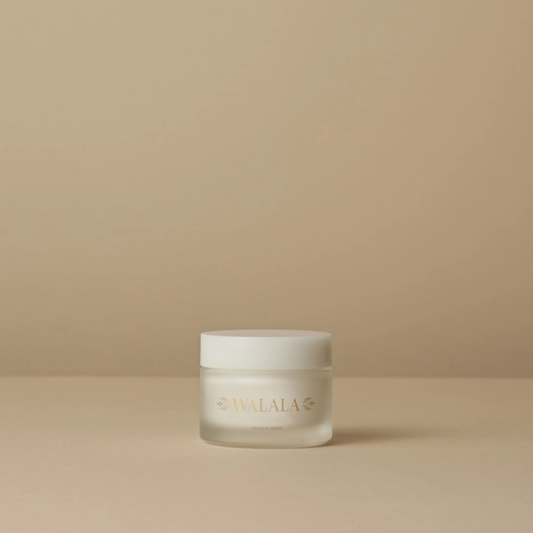
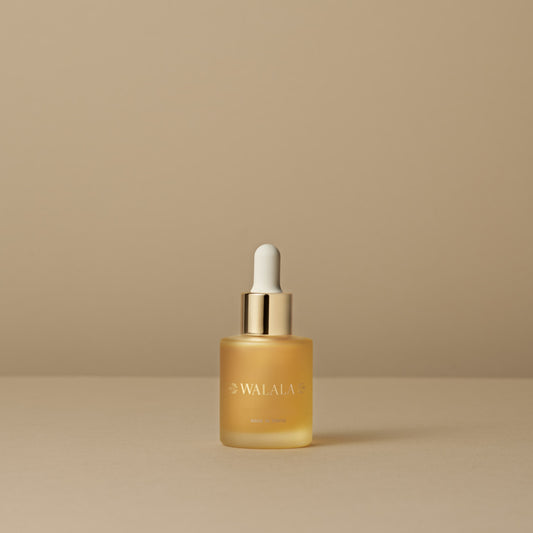
At WALALA, we include a light touch of natural yuzu fragrance in our Enriching Serum — not just for its skin benefits, but for the way it evokes a sense of place. A drop on your fingertips, and for a moment, you're in Japan.
Is Yuzu Right for Your Skin?
Yuzu is generally well-tolerated, but as with any citrus-derived ingredient, a patch test is recommended for very sensitive skin. Avoid applying products with citrus extracts directly before sun exposure.
For most skin types — including combination, dry, and normal skin — yuzu-based skincare can be a genuinely brightening and nourishing addition to a routine.
Experience Yuzu in Your Skincare Routine
WALALA's Enriching Serum is built around a base of five nourishing oils — Squalane, Prickly Pear, Baobab, Princepia, and Argan — with a signature scent of yuzu and lemongrass that brings the spirit of Japan to your morning ritual.
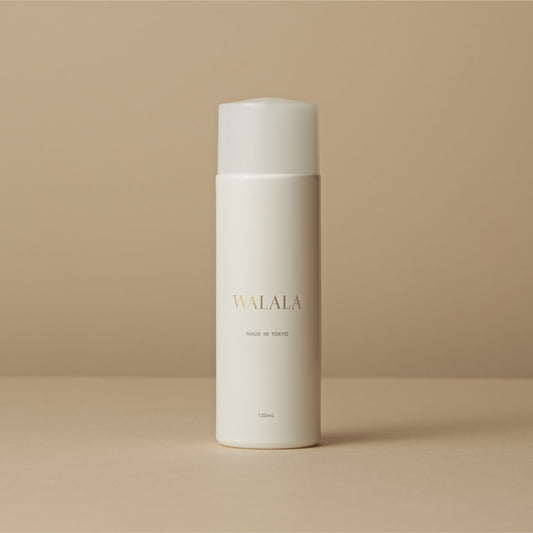
Made in Tokyo. For your quiet moments of care.